What drives our culinary education
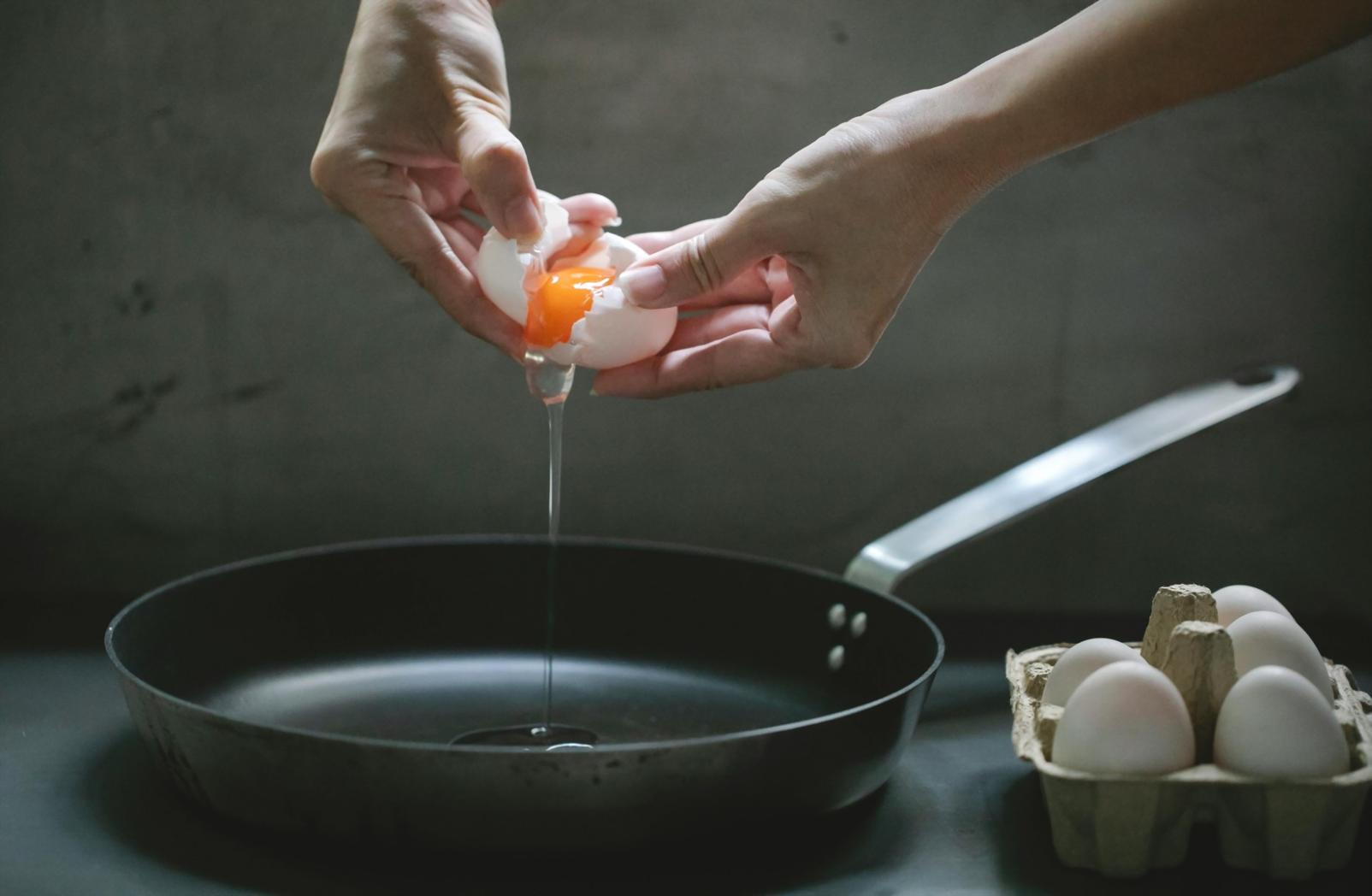
We started Uniswар in 2017 because online cooking education felt disconnected from what actually happens in professional kitchens. Most platforms showed finished dishes without explaining the decisions chefs make during preparation.
Our approach focuses on understanding technique rather than following recipes. Each masterclass breaks down why certain methods work, how ingredients interact, and what separates competent execution from skilled craftsmanship.
How we built this platform
From testing early concepts with small groups to establishing partnerships with working chefs across different culinary traditions, the platform evolved through practical feedback and constant refinement.
Initial structure
We filmed 12 foundational classes covering knife skills, sauce fundamentals, and heat management. Early participants wanted more detail on timing and ingredient selection, so we added supplementary camera angles and ingredient close-ups.
Geographic expansion
Partnered with chefs specializing in French, Japanese, and Middle Eastern cuisines. Each instructor brought specific technical approaches that required different filming methods. We developed a flexible production system that adapts to various kitchen setups and technique demonstrations.
Depth and specialization
Current masterclasses include advanced fermentation techniques, pastry lamination mechanics, and protein preparation across different cultural contexts. Participants now access detailed ingredient sourcing guides and equipment recommendations based on their location.
Core principles in practice
- Demonstrations filmed in working kitchens using equipment participants can actually access, not specialized studio setups
- Each technique shown with three skill progression levels so beginners and experienced cooks both find relevant detail
- Ingredient substitution guides developed with nutritionists and cultural consultants to maintain technique integrity across regional availability
- Chefs explain their decision-making process during preparation, not just the mechanical steps of execution
- Classes include common mistakes captured during filming with explanations of what went wrong and how to correct it
- Supplementary material covers knife maintenance, pantry organization, and equipment selection based on actual cooking frequency
Lead instruction and curriculum design
Building a culinary education platform requires both teaching experience and deep understanding of how techniques transfer across different kitchen environments. Our lead instructor shapes curriculum structure and ensures each masterclass delivers practical value.
Livia Koskinen
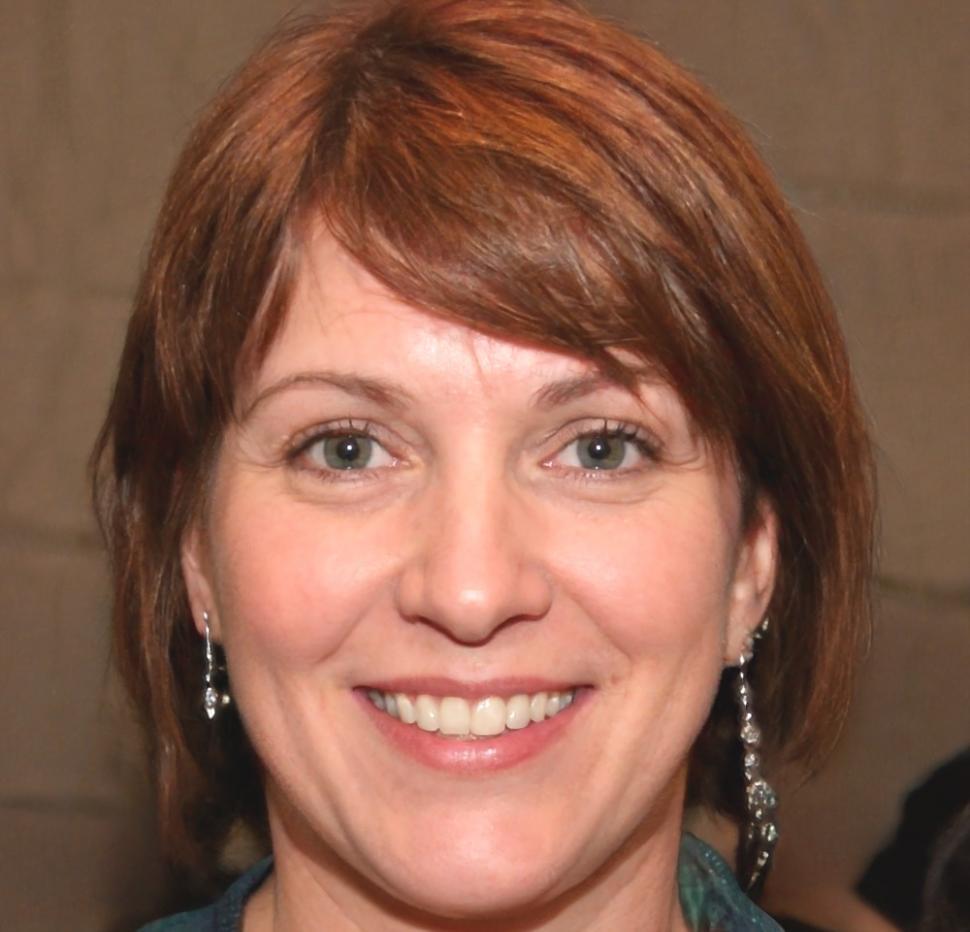
Lead Culinary InstructorLivia spent 14 years working in professional kitchens across Helsinki, Lyon, and Sydney before transitioning to culinary education. Her background spans classical French technique and Nordic ingredient sourcing, which influences how she structures technical demonstrations.
She developed our core curriculum framework that breaks complex preparations into teachable segments. When filming classes, Livia focuses on explaining the sensory indicators that signal proper technique execution — the sound of a proper sear, the visual change in emulsion stability, the texture shift during dough development.
Her approach to international cuisine education emphasizes understanding fundamental principles that apply across different culinary traditions. Rather than presenting recipes as fixed formulas, she teaches the underlying chemistry and physics that make techniques work, then shows how different cultures apply those principles with locally available ingredients.
Technical specializations
Teaching methodology and content development
Filming and production standards
Each masterclass uses multiple camera angles synchronized to capture hand position, ingredient transformation, and overall workspace organization. We film techniques in real-time without editing out the actual duration required for proper execution.
Chefs wear lavalier microphones to explain their reasoning during preparation. This captures spontaneous observations about ingredient quality, temperature adjustments, and timing decisions that scripted narration typically misses.
Content structure and progression
Masterclasses begin with ingredient preparation and equipment setup before demonstrating core techniques. This mirrors how professional kitchens organize mise en place and prevents participants from encountering unexpected requirements mid-preparation.
Advanced classes assume familiarity with foundational techniques from earlier content. We reference specific timestamps from prerequisite classes when building on previous instruction, creating a structured learning path through related culinary concepts.